
VPN OpenWrt & Tomato Accelerator: How Overseas Users Unlock Domestic Apps Effortlessly
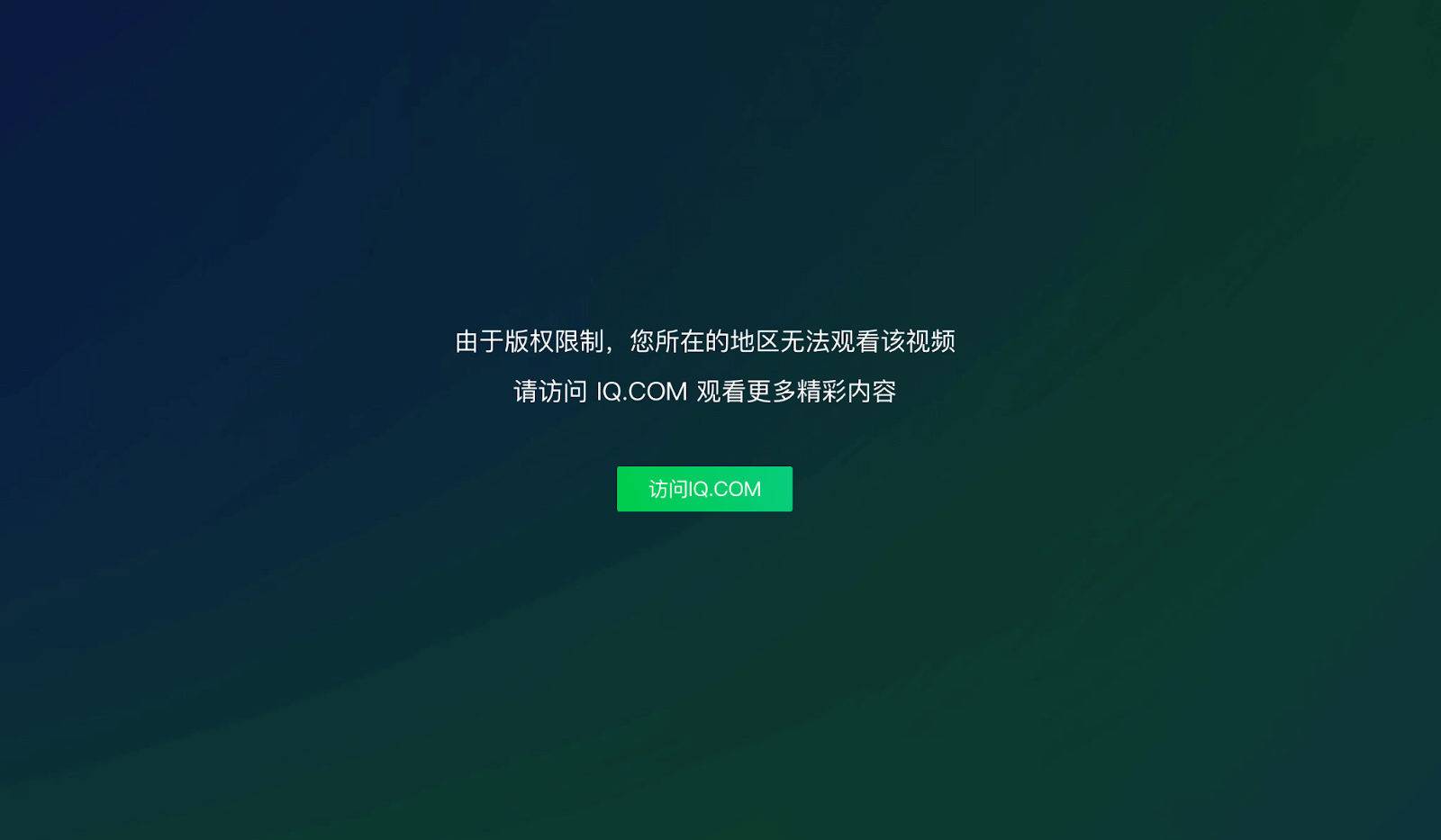
Imagine you’re an overseas student in London, craving the latest episode of your favorite Chinese drama on iQiyi—only to hit a “region not supported” pop-up. Or you’re a worker in Singapore trying to access your domestic company’s internal tools, but the connection is blocked. For tech-savvy folks, setting up a VPN on an OpenWrt router sounds like a fix—routing all home devices to a domestic IP automatically. But is it the easiest way? And what about mobile gaming or streaming on the go? This guide breaks down VPN OpenWrt setups (for DIY lovers), compares tools like 穿梭 vs 穿梭手游 and Malus vs Lightning, and introduces a one-stop solution that covers all your needs without the hassle.
What Is VPN OpenWrt, and When Should You Use It?
OpenWrt is a custom router firmware that lets you tweak network settings beyond the manufacturer’s default. Setting up a VPN on OpenWrt means every device connected to your router—phone, laptop, smart TV—gets the VPN’s benefits without installing apps individually. It’s perfect for shared spaces like family homes or student dorms where multiple people use different devices. But it’s not for everyone: you need to flash the router firmware (a process that risks bricking your device if done wrong) and configure protocols like OpenVPN or WireGuard. Also, not all VPNs support OpenWrt—Tomato Accelerator is one of the few that does, with detailed tutorials to simplify setup. If you love DIY and want whole-home coverage, VPN OpenWrt is worth trying; otherwise, a dedicated app is easier.
穿梭 vs 穿梭手游: Which Fits Your Daily Needs?
Both tools come from the same team, but they target different use cases. 穿梭 (Shuttle) is a general-purpose VPN for unblocking domestic content—think Bilibili, Tencent Video, or even WeChat Mini Programs that are region-locked. It’s lightweight and easy to use, but it lacks the optimization for gaming. 穿梭手游 (Shuttle Mobile Game), on the other hand, is built for gamers: it reduces ping, stabilizes connections, and prioritizes gaming traffic for titles like Honor of Kings or Peacekeeper Elite. For example, if you’re a student who streams dramas after class, 穿梭 works; but if you’re a gamer staying up late to play with friends back home, 穿梭手游 is better. However, both have limits—peak-hour slowdowns and limited server options are common complaints. That’s where Tomato Accelerator steps in, combining the best of both worlds.
Malus vs Lightning: Which Is More Reliable?
Malus is a popular choice among overseas Chinese, known for stable connections to domestic servers. It supports iOS, Android, Windows, and Mac, with dedicated lines for streaming. But users often mention higher subscription fees and occasional speed drops during busy times. Lightning (闪电加速器) is cheaper and claims fast speeds, but it has fewer server locations and its customer support is slow to respond. A friend in Canada uses Malus for streaming iQiyi—she says it’s okay, but during Chinese New Year, she had to switch to Tomato because Malus couldn’t handle the traffic. Another friend in Australia uses Lightning for gaming, but he complains about random disconnects. Tomato Accelerator fixes these issues: it’s affordable, has more servers, and offers 24/7 support.
Tomato Accelerator: The All-In-One Solution You Need
Tomato Accelerator checks all the boxes for overseas users. Let’s dive into its core features:
First, global node distribution with smart line recommendation. It has servers in over 30 countries, and the app automatically picks the fastest line based on your location—no manual switching needed.
Second, multi-platform support and multi-device access. It works on Android, iOS, Windows, Mac, and even supports OpenWrt routers. You can use one account on up to 5 devices—great for families or people with multiple gadgets.
Third, stable unlimited traffic with dedicated lines. No data caps, and it uses smart分流 (smart traffic splitting) to route only domestic app traffic through the VPN, saving bandwidth. The dedicated gaming line keeps ping under 50ms for Honor of Kings, and the streaming line supports 4K content without buffering. Plus, premium users get 独享100M bandwidth (100Mbps dedicated line) for ultra-fast speeds.
Fourth, data security encryption and dedicated transmission lines. It uses AES-256 encryption to protect your data, and all traffic goes through private lines—no ISP throttling or third-party snooping.
Finally, real-time after-sales support. The professional tech team is available 24/7 via live chat or email—if you have issues with OpenWrt setup or app connectivity, they’ll help you fix it quickly.
I’ve been using Tomato for 6 months now. Whether I’m streaming Bilibili on my laptop, playing Honor of Kings on my phone, or watching iQiyi on my smart TV (via OpenWrt router), it works flawlessly. The 100M bandwidth means I never have to wait for videos to load, and the gaming line lets me compete with friends back home without lag.

Conclusion: Going back to the initial problem—region locks don’t have to be a barrier. VPN OpenWrt is great for tech lovers who want whole-home coverage, but Tomato Accelerator is the easiest and most reliable option for most users. It combines all the best features of other tools, plus extras like dedicated lines and 24/7 support. So next time you hit a “region not supported” message, don’t stress—try Tomato Accelerator or a VPN OpenWrt setup, and get back to enjoying your favorite domestic content seamlessly.